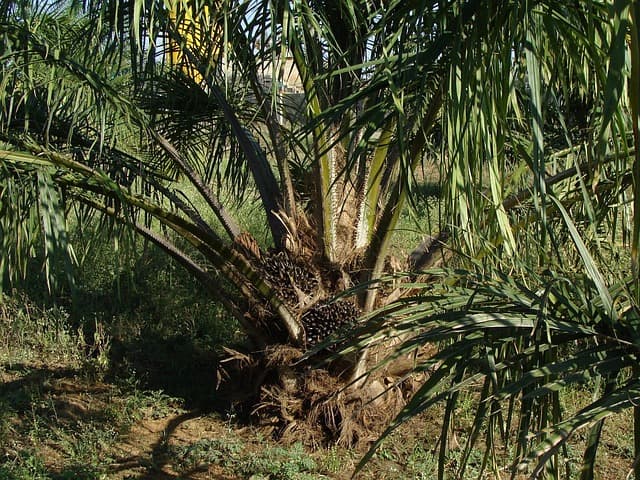
Palm oil is destroying the rainforests of Borneo, one of the most important centers of biodiversity on the planet. On this Indonesian island, also known as Kalimantan, the rapid expansion of oil palm plantations is accompanied by massive deforestation and burning of virgin jungles. What were once dense, noisy forests with thousands of species of plants and animals are now increasingly turning into dead, smoke-filled, scorched plains.
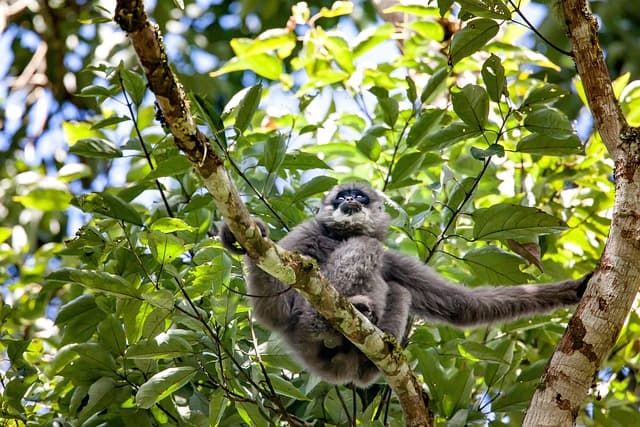
Indonesia is the world’s largest producer of palm oil, and the island of Borneo is at the heart of this industry. Oil palms bring the country billions of dollars a year, and products containing palm oil include everything from soap, toothpaste, and cosmetics to baked goods, chocolate, and convenience foods. To promote economic growth, the government actively encourages the expansion of palm plantations by providing subsidies and allocating new land. But this “land” is often untouched jungle, rich in endemic species, including endangered species such as orangutans, Bornean pygmy elephants, and the rare Bornean cats.
To make room for palm trees, forests are not simply cut down — they are burned. This method is cheaper and faster than mechanical clearing, but it has a catastrophic impact on the climate and the health of people and animals. During the dry season, the flames get out of control and spread to peat soils, where the fire can smolder for weeks, spreading acrid smoke for hundreds of kilometers. Every year during the fire season in Borneo, there is thick smog, so dense that it can even be felt in neighboring countries — Malaysia, Singapore, and Thailand. This phenomenon is called “haze” — a toxic fog that affects millions of people, especially children and the elderly.
According to estimates by environmental organizations, since the early 2000s, Indonesia has been losing up to 1.5 million hectares of forest per year, a significant part of which is in Borneo. Both lowland tropical forests and peat swamps, which are among the largest carbon stores in the world, are being destroyed. Burning them releases enormous amounts of carbon dioxide into the atmosphere, accelerating global warming. According to Global Forest Watch, between 2001 and 2023, the island lost more than 14 million hectares of tropical forest, and about half of this loss is linked to the expansion of palm plantations.
The consequences affect not only animals and the climate, but also the indigenous peoples of Borneo — the Dayaks, Penans, and other ethnic groups. For them, the jungle is not just nature, it is home, a source of food, medicine, spiritual practices, and culture. But new roads, fire, and excavators are destroying traditional settlements, pushing indigenous peoples to the margins of civilization. Often, these communities have no legal rights to the land they have lived on for centuries and are unable to resist the expansion of agribusiness.
The Indonesian government itself, despite international pressure, is in no hurry to change its policy. Although forest burning is officially prohibited, in practice it remains widespread. With each season, the number of fires increases, and the state is forced to mobilize up to 10,000 firefighters to combat the fires caused by its own industrial policy. It is a vicious circle in which the environment, the population, and the climate invariably lose.
Nevertheless, international resistance is growing. More and more consumers around the world are refusing to buy products containing uncertified palm oil. Some major brands have started using sustainable palm oil (RSPO — Roundtable on Sustainable Palm Oil), produced without destroying forests. However, such measures cover only a small share of the market. Without large-scale political will, serious regulation, and an alternative economic model that takes nature’s interests into account, it will be impossible to stop the disaster in Borneo.
The situation requires not only bans and rescue operations, but also awareness at all levels, from the government to the consumer. Every chocolate bar, every shampoo, every packet of cookies is part of a system in which the Borneo jungle is being replaced by monotonous rows of palm trees. And until the global community rethinks its attitude toward the true cost of cheap oil, Borneo will continue to burn.