Borneo orchids are among the most amazing, diverse, and at the same time most inaccessible plants on Earth. This island, the third largest in the world, is covered with dense tropical forests, much of which remains impassable and still poorly explored. It is here, under the canopy of ancient jungles, in the shade of giant trees, that dozens, and possibly hundreds, of orchid species grow that have never been seen by tourists or scientists.
Borneo’s flora includes more than 3,000 species of orchids, about a third of which are considered endemic — they are found nowhere else in the world. Some of these plants grow only on one mountain slope or in one specific gorge. They can only be found at a certain level of humidity, temperature, and light, and they sometimes bloom for only a few days a year. It is because of this exceptional specialization that most orchids remain out of sight even to experienced botanists.
One of the most mysterious is the Paphiopedilum rothschildianum orchid, known as “Rothschild’s slipper.” It grows exclusively on the slopes of Mount Kinabalu in the Malaysian state of Sabah and is considered one of the rarest and most expensive in the world. Its elongated petals with burgundy stripes and unusual flower shape give the plant a truly alien appearance. Due to its limited range and poaching in the 1980s, this orchid almost disappeared in the wild, but it is now strictly protected. Even today, seeing it bloom in its natural environment is a stroke of luck.
Other species, such as Bulbophyllum nocturnum, are unique in their biology. This orchid was first described in 2011 and became the first species known to science that blooms exclusively at night. The flower blooms closer to sunset and wilts by dawn, attracting nocturnal pollinators such as small night flies. These properties make it extremely difficult to study the orchid in the field, which only adds to its mystery.
Many Bornean orchids grow on trees as epiphytes, meaning they do not parasitize but only use the trunks and branches as support. This makes them vulnerable to deforestation, as the loss of even one tree can lead to the disappearance of dozens of plants. Some species can only be found at a certain altitude, for example, at an altitude of 800 to 1,200 meters above sea level, where the climate is particularly stable and humidity remains high throughout the year.
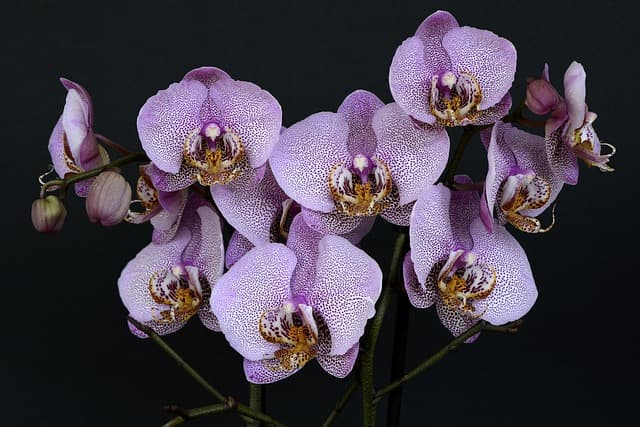
Orchid flowers in Borneo are extremely diverse in shape, color, and size. Some have delicate, almost transparent petals, while others are brightly colored with intricate patterns that mimic insects or mushrooms. Some emit a fragrance reminiscent of fruit or spices to attract specific pollinators, while others exude the smell of rotting meat to lure flies. This amazing diversity reflects the finely tuned mechanisms of coevolution between plants and their pollinators.
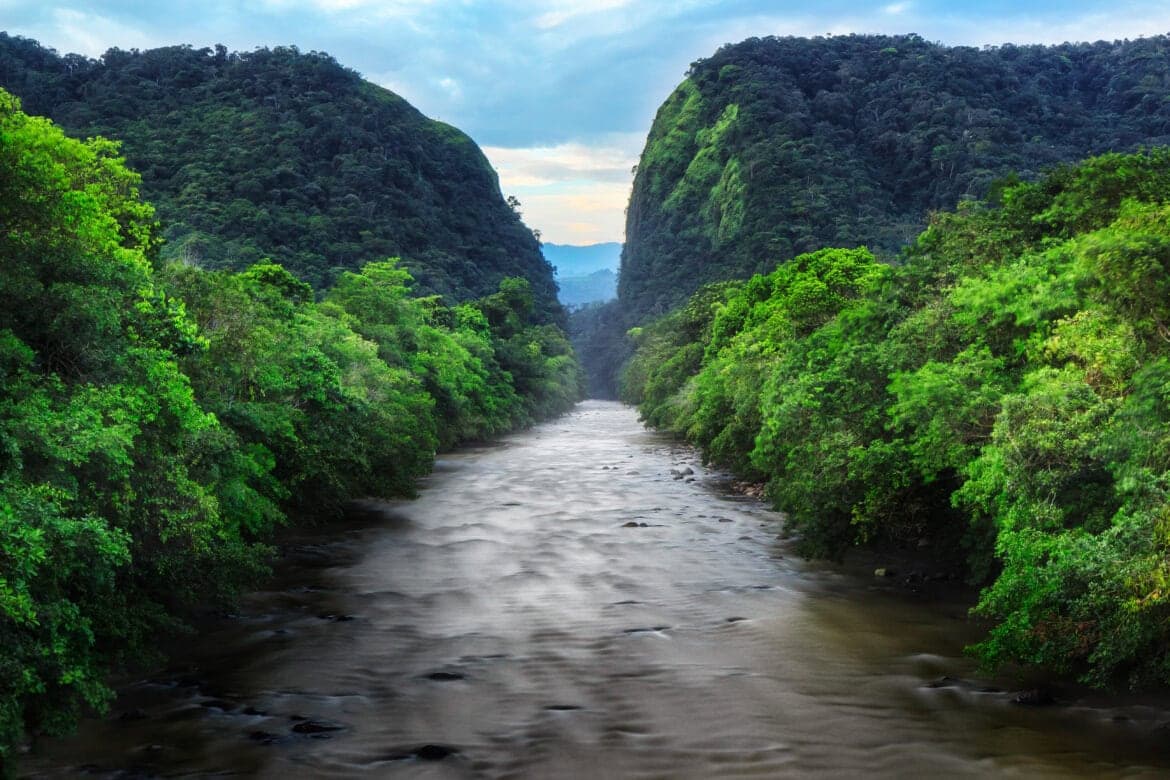
The problem scientists face is that many areas of Borneo are still difficult to access. Some orchids grow on steep mountain slopes that can only be reached after several days of hiking through the jungle. In addition, over the past decades, a significant portion of the forests has been cleared for palm plantations, roads, and mines, which means that many species may have disappeared without ever being described.
Illegal orchid harvesting is another serious threat. Rare species are sold on the black market for prices reaching tens of thousands of dollars per specimen. Despite their protected status and export bans, plants continue to disappear from the wild. Some collectors are willing to pay huge sums for plants that are not even officially listed in herbaria.
Nevertheless, in recent years there has been a growing interest in the conservation of Borneo’s flora. National parks such as Kinabalu and Lambir Hills are becoming sites for research and conservation of unique plants. Projects are underway to grow orchids in laboratory conditions and return them to their natural environment. Scientists are using molecular biology methods to determine the relationships between species and are creating databases of the plants they find, including information about the microclimate in which they live.
Borneo’s orchids remain a symbol of the wild, almost mythical nature of tropical forests. Their fragile beauty and evolutionary sophistication remind us of how complex and vulnerable life is in these ecosystems. Seeing them in their natural environment is a rare privilege available to few. But even if most people will never visit the mountain forests of Sabah or Sarawak, the conservation of these flowers is a task that concerns everyone who cares about the future of the planet’s biological diversity.