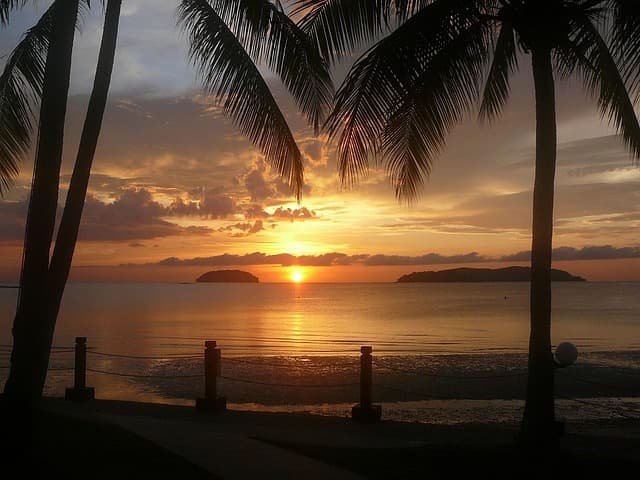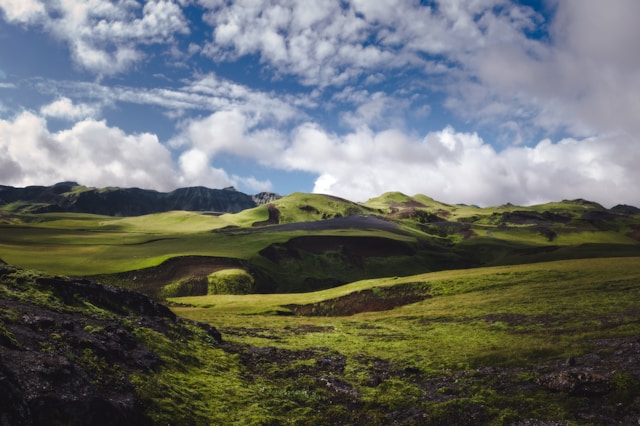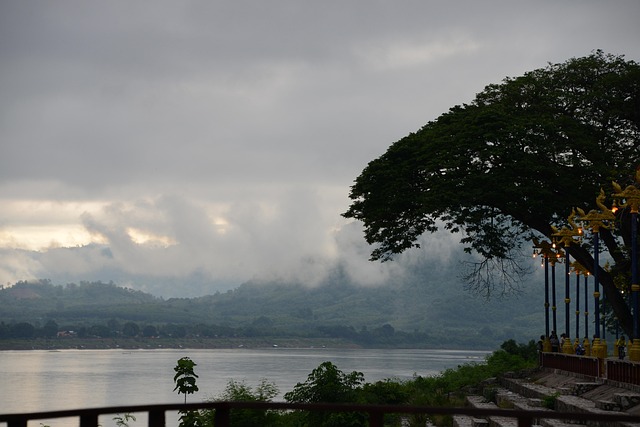
The Mekong River is more than just a geographical feature. It is the soul of Southeast Asia, a source of life for millions of people and a vital part of the global ecological balance. Here, amid lush rainforests, flooded grasslands and winding branches, nature and man have existed for centuries in a delicate, almost ritualistic balance.
The Mekong is one of the few rivers on the planet where every change in water level signifies not just a fluctuation in climate, but the beginning of a new cycle of life. From giant freshwater stingrays to rice paddies, from songbirds to floating villages, everything here is linked to a river that moves slowly but inexorably, like history itself.
The river that nourishes civilizations
The Mekong River is one of the largest and most important rivers in Southeast Asia. Stretching over 4,300 kilometers, it originates on the Tibetan Plateau and flows through China, Myanmar, Laos, Thailand, Cambodia, and Vietnam before emptying into the South China Sea. The Mekong is not just a geographical feature, but an artery that gives life to tens of millions of people and countless organisms.
A unique ecosystem: where forest meets water
The Mekong ecosystem combines rich tropical forests, flooded meadows, and dense mangrove thickets. This place is one of the most biodiverse on Earth. More than 1,200 species of fish, dozens of species of mammals and reptiles, and millennia-old flora are all concentrated in the river valley.
A distinctive feature of the region is its seasonal variability. Every year, during the monsoon season, the water level in the river rises by 10–15 meters, flooding the coastal lands and turning them into fertile floodplains. It is here that unique biological cycles are born, in which everything — from fish to rice grains — lives to the rhythm of the water.
The fauna of the Mekong
Giant freshwater stingray and other inhabitants of the depths
One of the most mysterious creatures of the Mekong is the giant freshwater stingray, which can reach a width of more than two meters. It is considered one of the largest freshwater fish in the world. The river is also home to species such as the Mekong giant catfish (which can weigh up to 300 kg), various species of barbs, snakes, frogs, and aquatic turtles.
Waterfowl and monkeys on the banks
The banks of the Mekong provide refuge for birds such as the Asian white heron, the little bittern, and rare species of storks. The forests near the river are home to gibbons, macaques, and tupaias — small mammals similar to squirrels that live in the treetops.
People and the Mekong: a symbiosis that has lasted for centuries
For millions of people living along the Mekong, the river is the source of everything: food, water, transportation, culture, and spirituality. Fishing villages, floating markets, Buddhist monasteries, and rice fields are located along the river. People fish, grow vegetables and rice on fertile floodplains, use water for irrigation, and even drink it after minimal filtration.
The Mekong has also become the basis for the mythology and spiritual traditions of the peoples of the region. In Laos and Thailand, it is called the “Mother of All Rivers,” and in Cambodia, during the flood season, Bon Om Tuke is celebrated — a festival in honor of the reversal of the flow of the Tonle Sap River, a tributary of the Mekong.
Threats and challenges
Today, the river faces many threats: the construction of hydroelectric power plants, overfishing, pollution, climate change, and the desertification of adjacent forests. Dams, especially on the upper Mekong in China and Laos, are changing the river’s flow, disrupting fish migration, and drying up ecosystems downstream.
Lower water levels have already led to the disappearance of some riparian forests, the extinction of certain populations, and increased conflicts over water resources. Organizations, including WWF and the Mekong River Commission, are trying to find a balance between infrastructure development and ecosystem conservation.
The future of the Mekong
The fate of the Mekong reflects the fate of the entire region. Preserving this unique river system is only possible through coordinated action by the countries of the basin and the participation of local communities. Forest protection, fisheries regulation, environmental education, and sustainable water management are key steps toward harmony between humans and nature.
The Mekong is not just a river. It is a source of life, a cultural axis, and a natural wonder. Its protection is our shared responsibility.