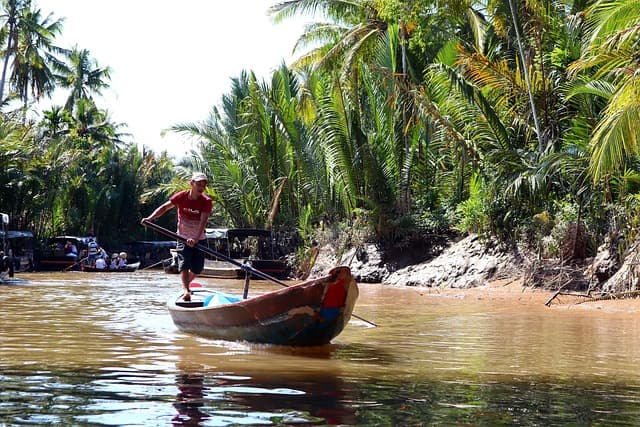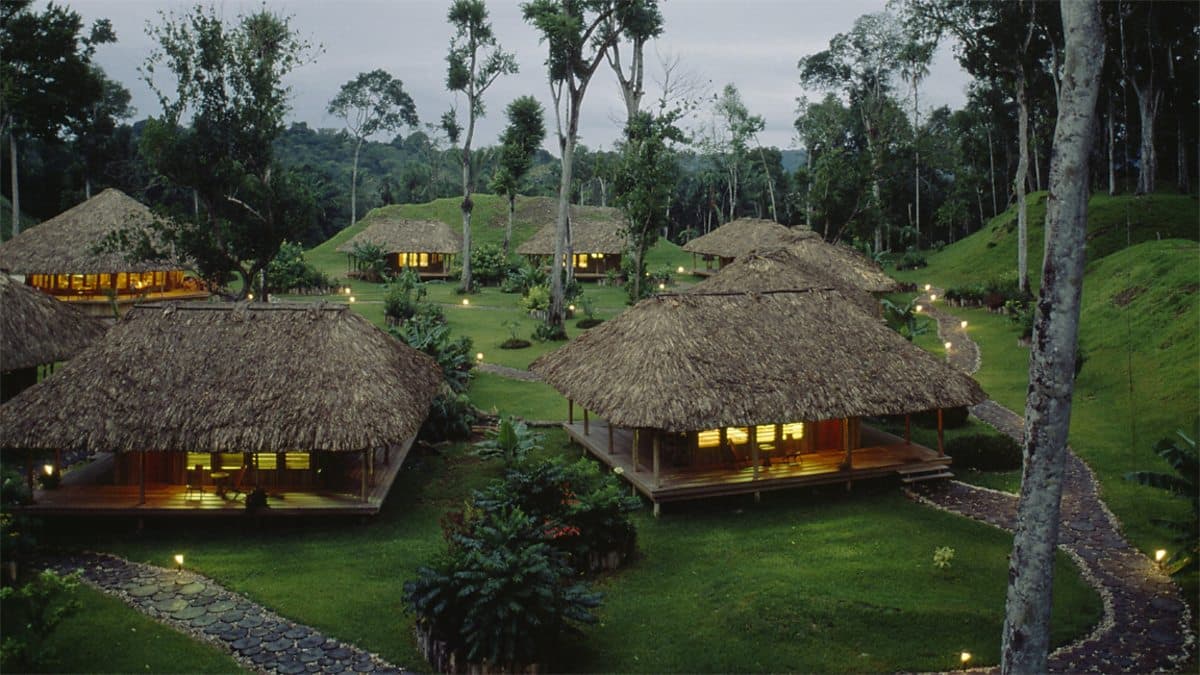
The Amazon is one of the most mysterious and valuable places on Earth. It is often called the “lungs of the planet” thanks to the enormous reserves of oxygen produced by the rainforest. However, in recent decades this region has faced serious environmental threats: deforestation, climate change, and biodiversity loss. That is why interest in ecotourism is growing, offering travelers the chance to experience unique nature without causing harm. For readers in Hungary, where the culture of sustainable living is becoming increasingly important, the Amazon offers an opportunity to travel consciously and with respect for the environment.
The Role of the Amazon in Global Ecology
The Amazon basin covers over 7 million square kilometers and is home to about 10% of all known species on Earth. Its forests regulate the climate of the entire planet by absorbing carbon dioxide and producing oxygen. Rivers in the Amazon also influence rainfall patterns not only in South America but even in distant regions. Thus, protecting the Amazon is not just a local issue but a global necessity.
What Ecotourism in the Amazon Means
Ecotourism in the Amazon differs from traditional leisure in that it focuses not only on rest and adventure but also on preserving the environment. Tourists visit national parks, reserves, and small eco-villages where local residents demonstrate their traditional way of life and share knowledge about forests and rivers. Such trips help support the local economy and contribute to preserving the cultural traditions of Indigenous peoples.
An important feature is minimal intervention in nature. This means using boats with electric motors or canoes, avoiding single-use plastics, and taking part in forest restoration programs. Tourism infrastructure in the Amazon is being developed specifically in the direction of sustainability: from eco-lodges with solar panels to guided tours centered on observing wildlife.
Practical Tips for Responsible Travelers
Choose certified tour operators — look for labels such as Rainforest Alliance or Global Sustainable Tourism Council.
Pack consciously — bring reusable bottles, biodegradable hygiene products, and lightweight clothing.
Respect local customs — many communities rely on ecotourism for income, so responsible interaction is essential.
Travel in small groups — mass tourism causes more pressure on fragile ecosystems.
Support conservation efforts — choose tours that include tree planting, research, or educational programs.
How to Travel Without Harming the Forest
Traveling in the Amazon requires special responsibility. Every step a tourist takes here matters, and even small carelessness can affect the ecosystem. First of all, it is important to choose companies certified by international ecotourism standards. This guarantees that organizers follow rules for protecting nature and treat the culture of local communities with respect.
Another important point is the conscious behavior of the traveler. It is best not to leave trash, touch animals, or pick plants. Photos and memories are the best souvenirs from such journeys. Many tours include educational programs, where tourists learn about the Amazon’s role in climate regulation and how even small everyday habits can impact the future of the forest.
Additionally, ecological routes often include volunteer projects: planting trees, helping with research, or participating in local handicraft workshops. This turns a trip into not just leisure, but also a contribution to preserving a unique ecosystem.
Potential Risks and How to Avoid Them
The Amazon is not only beautiful but also challenging. Tourists should prepare for:
Health concerns — vaccines against yellow fever and malaria prophylaxis are often recommended.
Weather extremes — heavy rains and high humidity require proper clothing and waterproof bags.
Navigation difficulties — always travel with experienced local guides who know safe routes.
By preparing in advance, travelers can enjoy their journey while minimizing risks.
Why This Matters for Hungary
Although Hungary is far from the Amazon, the topic of ecotourism is becoming increasingly relevant for its citizens. The country is developing a culture of environmental protection: from recycling waste to supporting green initiatives. A trip to the Amazon becomes a continuation of this worldview — a way to connect the desire to see the wonders of the planet with responsibility toward future generations.
Moreover, Hungary, with its rich traditions of thermal tourism and rural eco-routes, is already familiar with the concept of sustainable travel. This is why Hungarians are particularly sensitive to the topic of nature conservation and are keenly interested in the experiences of other regions, including South America.
Conclusion
Ecotourism in the Amazon is an opportunity to witness the greatness of wild nature while also contributing to its preservation. Such a journey teaches respect for the Earth and reminds us that our world is united, and the fate of tropical forests is directly connected to the quality of life in every corner of the planet, including Hungary. By traveling consciously, we create a future in which both nature and people can coexist in harmony.