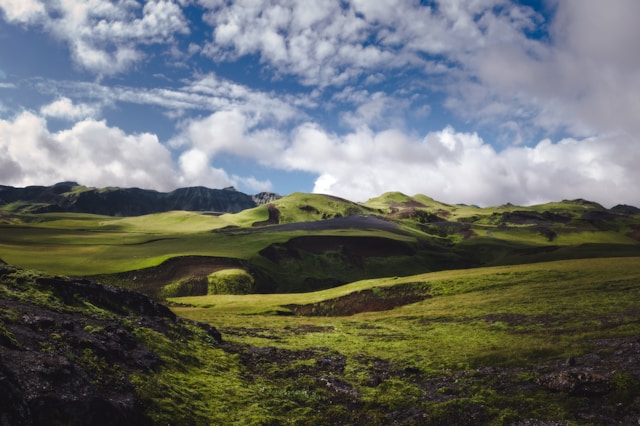
The Amazon rainforest is one of the most biologically diverse regions on the planet and a key element of the global ecosystem. The Peruvian part of the Amazon is one of the most untouched and rich natural areas, playing a vital role in maintaining climate balance and biodiversity.
The Amazon rainforest — the “lungs of the planet”
The Amazon covers about 40% of Peru’s territory and occupies a huge area of tropical forests that produce a significant portion of the world’s oxygen. This is thanks to the process of photosynthesis, which is carried out daily by billions of trees and plants. The Amazon rainforest absorbs huge amounts of carbon dioxide, which helps slow down global warming.
Unusual inhabitants of the depths of the Peruvian forests
The Amazon is home to millions of species of living organisms, many of which are unique and found nowhere else in the world. The greatest diversity of species makes this region one of the most important for science and ecology.
Hummingbirds and their amazing adaptations
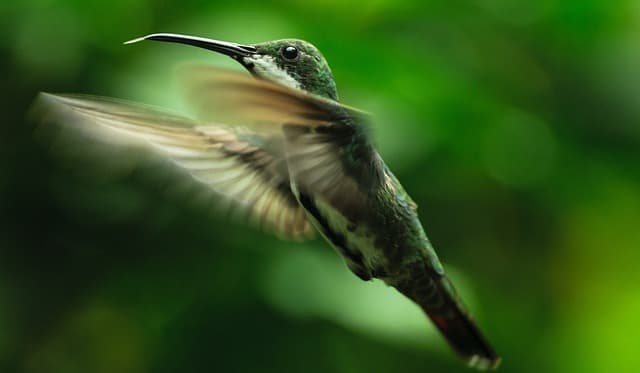
There are over 50 species of hummingbirds in the Peruvian tropics. These tiny birds are true acrobats of the sky. They are able to hover in place, make lightning-fast turns, and quickly change direction thanks to their unique wings, which flap up to 80 times per second. Hummingbirds feed on flower nectar, playing a key role in pollinating many plants. To maintain their high metabolic rate, they must feed every few minutes, so their behavior is closely linked to the flowering cycle of plants.
Leafcutter ants: masters of survival
Leafcutter ants (Atta) are among the most unusual insects in the Amazon. They live in large colonies that can number millions of individuals. Leafcutter ants do not eat leaves directly — they collect them to grow a fungus that serves as their main source of food. This complex symbiotic process is an example of cooperation in nature. Ants have venom and aggressive defenses, which help them survive in an environment teeming with predators.
Predatory flowers
Some Amazonian plants, such as Nepenthes (pitcher plants) and various species of sundews, have adapted to nutrient-poor soils. They capture and digest insects, obtaining nitrogen and other elements necessary for growth. These plants often have bright colors, aromas, and sticky traps, making them true predators among the flora.
The giant trees of the Amazon
Amazonian sequoias
Unlike the sequoias known in North America, other giant trees grow in the Amazon, such as the kapok (Ceiba pentandra) and the Brazil nut tree (Bertholletia excelsa). These trees can reach heights of 50–70 meters and live for hundreds of years. Their roots form complex systems that support the soil and prevent erosion. Tall trees form the upper canopy of the forest, creating a microclimate and shade for many other plant and animal species.
Amazonian fruits and their secrets
The tropical fruits of the Amazon are not only delicious, but also have significant nutritional and medicinal value. For example:
- Acai is a berry with a high antioxidant content that protects the body’s cells from damage.
- Guava is rich in vitamin C and fiber, supporting immunity and digestion.
- Passion fruit (passiflora) contains vitamins A and C, improves sleep, and reduces stress.
Many fruits are spread by animals that feed on them and carry their seeds, contributing to forest restoration.
The Amazon — the heart of the Earth
The Peruvian Amazon is the living heart of the planet, where every element of nature is closely interconnected. This region is one of the main reservoirs of biodiversity and plays a critical role in regulating the climate, the water cycle, and sustaining life on Earth.
However, the forest faces threats such as deforestation, illegal logging, and climate change. Preserving the Amazon rainforest is not only Peru’s responsibility, but that of all humanity. Protecting this unique natural treasure is a guarantee of the health of the planet and future generations.