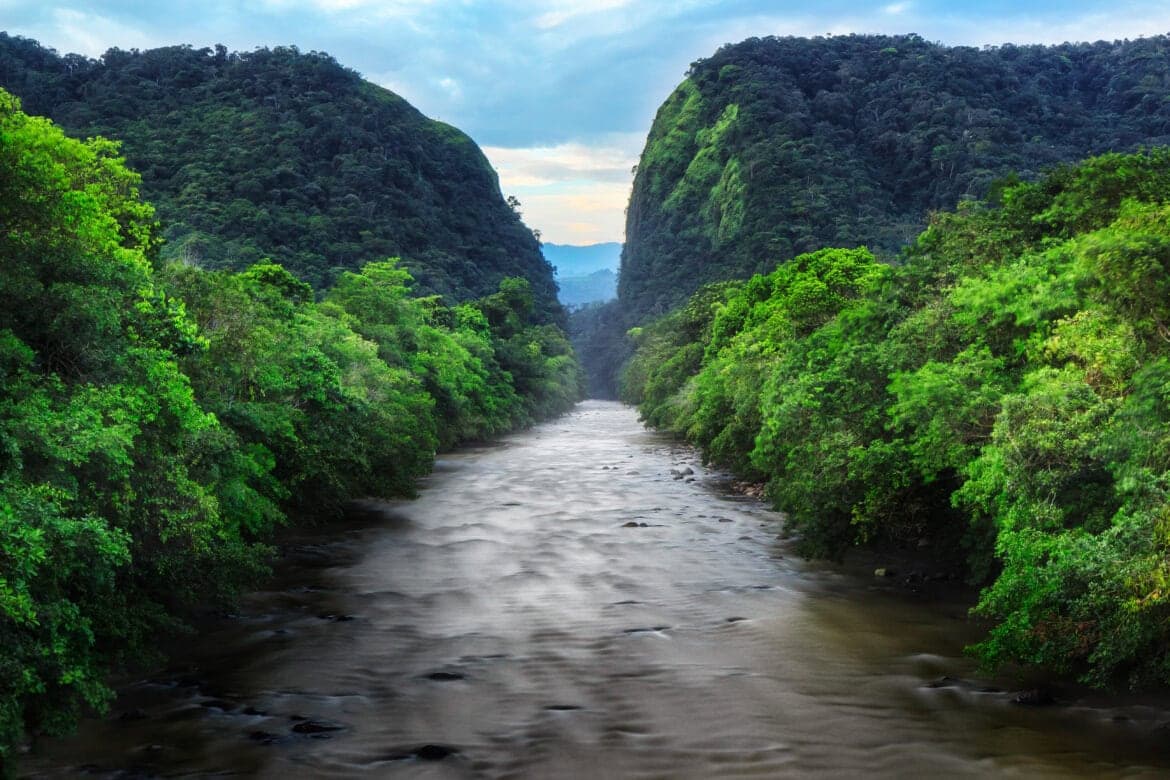
The Amazon is not only the largest river in the world but also the heart of a vast green ocean hiding thousands of plants with unique properties. For local tribes, the jungle has always been both a pharmacy and a temple: here every vine, root, or leaf can become a remedy. Modern researchers are increasingly paying attention to the knowledge of shamans, as many plants are able to treat illnesses that civilized society also faces. Interest in this topic is growing not only among scientists but also among people tired of standard medical approaches. However, for some, the way to find balance and relaxation remains in entertainment — whether in travel or even a brief visit to the world of gambling, such as magyar online casino, where pleasure meets the search for new experiences. Yet it is in the Amazonian forests that much older and time-tested sources of strength are hidden.
The Medicinal Palette of the Amazon
For centuries, local peoples studied plants, creating a true system of natural medicine. One of the most famous examples is ayahuasca — a drink made from vines and leaves, used by shamans for cleansing the mind and spiritual practices. Today, debates still surround it, but medical research confirms its potential in the treatment of depression and post-traumatic disorders. Another valuable gift of nature is uña de gato, or “cat’s claw.” This shrub is rich in alkaloids that strengthen the immune system and help with inflammatory diseases. Equally important is the miracle berry açaí, often called a “superfood.” It contains an enormous amount of antioxidants capable of slowing down cell aging. These examples are only the tip of the iceberg: in the tropics one can find hundreds of plants able to support health.
Modern Science and Ancient Knowledge
Today pharmaceutical corporations are actively cooperating with ethnobotanists to develop new medicines based on Amazonian plants. Many of the drugs we are familiar with were once discovered thanks to traditional medicine. For example, the bark of the cinchona tree, known to the Indigenous peoples, became the source of quinine — the first treatment for malaria. Currently, researchers are focused on rare species that may help in the fight against cancer and cardiovascular diseases. At the same time, local shamans continue to pass down their knowledge orally from generation to generation, making it not only medical but also cultural heritage.
Why This Matters to the World
For Hungary, as for other European countries, the topic of Amazonian plants is especially relevant in the context of healthy living and disease prevention. In recent years, the country has shown a growing interest in organic products, environmentally friendly goods, and natural supplements. Many Hungarian researchers cooperate with international centers to integrate Amazonian plants into modern medicine. At the same time, it is important to remember ecological issues: deforestation and climate change threaten the existence of entire species, and along with them, humanity risks losing unique medicines that have not yet been discovered.
The Jungle as a Source of Inspiration
The Amazon is not only a storehouse of health but also a symbol of balance between humans and nature. It teaches us to respect the forces of the Earth and use them wisely. In the conditions of modern life, where stress, information overload, and a fast pace have become the norm, turning to such sources is an opportunity to regain harmony. Whether it is a cup of tea brewed from tropical herbs or the study of new natural remedies, every step toward nature becomes a step toward restoring oneself. And perhaps it is in the green expanses of the Amazon that the answer to many challenges of the future is kept.
Conclusion
The treasures of the Amazonian jungle are more than just exotic plants — they are keys to health, inspiration, and a deeper connection with nature. As science continues to explore their secrets, humanity faces a crucial choice: to protect these forests not only for their ecological value but also for the priceless knowledge they hold. For Hungary and the wider world, the Amazon serves as a reminder that the future of medicine may lie not only in laboratories but also in the timeless wisdom of the jungle. Preserving this heritage means preserving the possibility of healing, discovery, and balance for generations to come.